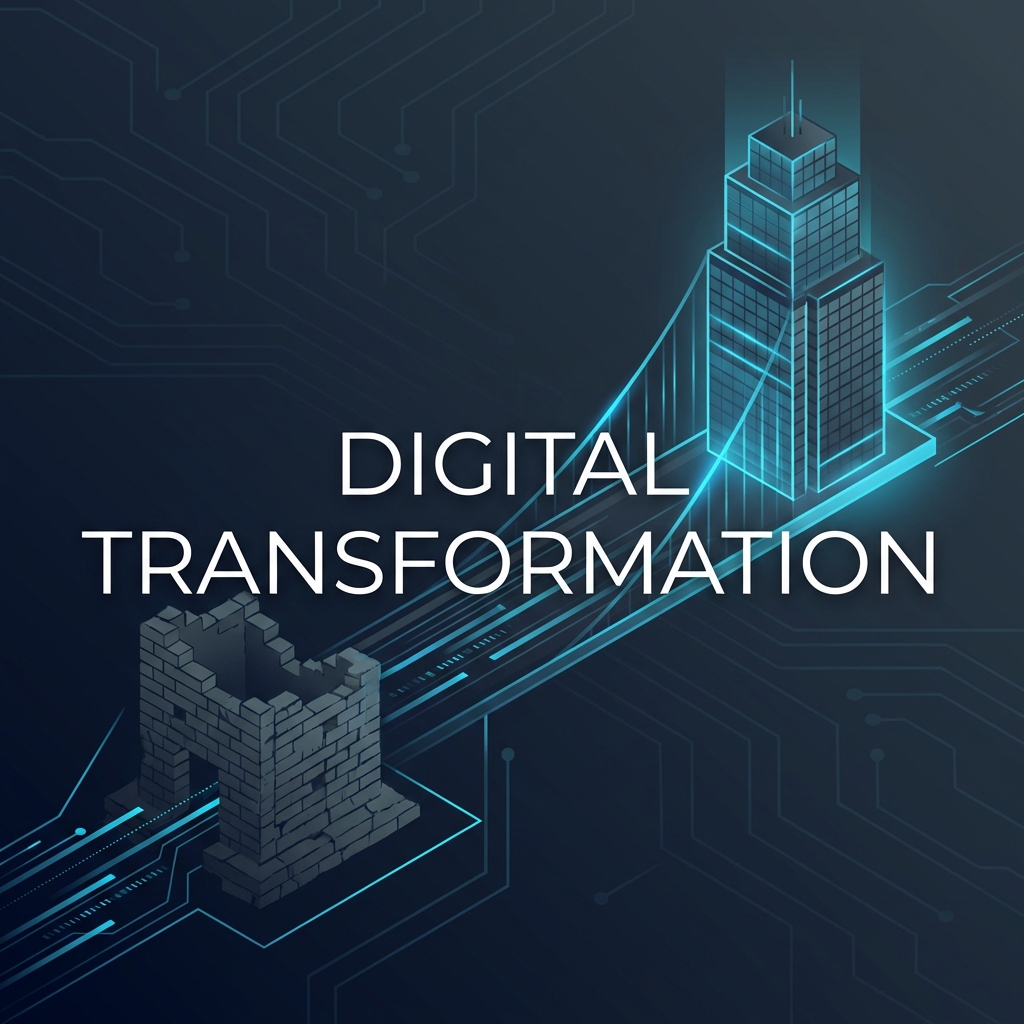
"If it fits broke, don't fix it" is a dangerous philosophy in technology. While stability is a virtue, stagnation is a killer. Legacy systems—software that is outdated but still critical to day-to-day operations—can become a massive liability.
The cost of maintaining legacy systems isn't just the server fees; it's the opportunity cost. If your team is spending 20% of their week manually entering data because your systems don't talk to each other, you are paying a "Legacy Tax" on every paycheck.
Signs It's Time to Upgrade
1. **Integration Failure:** If your core software can't connect to modern tools (like Stripe, Slack, or HubSpot), you are building an island.
2. **Security Vulnerabilities:** Older software often stops receiving security patches. Running a business on unsupported software is like leaving your front door unlocked.
3. **Talent Drain:** Good employees want to use modern tools. Forcing them to wrestle with a clunky, 15-year-old interface is a recipe for burnout and turnover.
Upgrading is painful, but the alternative is irrelevance.