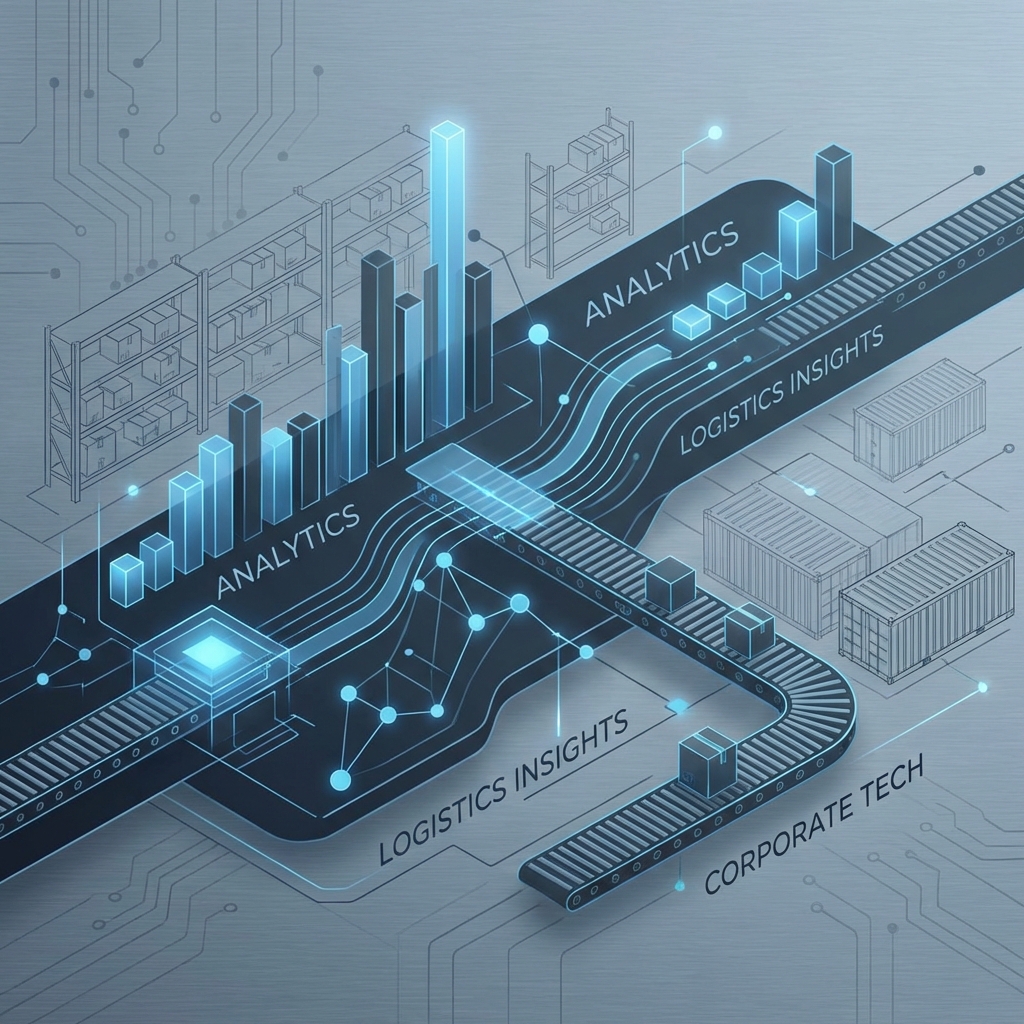
For retail and logistics businesses, inventory is cash sitting on a shelf. Too much, and your capital is tied up; too little, and you lose sales. The traditional method of "guessing based on last year" is no longer good enough.
Predictive analytics uses historical data, seasonal trends, and even external factors like weather forecasts to predict demand with much higher accuracy. This isn't magic; it's math.
Moving from Reactive to Proactive
Most businesses operate reactively—ordering stock when they run low. Predictive systems allow you to operate proactively, ordering stock *before* you run low, but just in time to meet demand. This "Just-in-Time" approach, once the domain of giants like Toyota, is now accessible to businesses through modern data tools.
By integrating your sales data with a predictive model, you can identify slow-moving items to clear out and high-demand items to stock up on, optimizing your warehouse space and your cash flow.